held on 14–27 September 2026 at the National Referral Hospital, Honiara, Solomon Islands
The Pacific Islands Orthopaedic Association held its Introductory and Trauma modules at the National Referral Hospital in Honiara from 14 to 27 September 2026. The twoweek programme brought together regional and international faculty, trainees from across the Pacific, practical clinical teaching, faculty development, and the first orthopaedic exit examinations hosted in Solomon Islands.
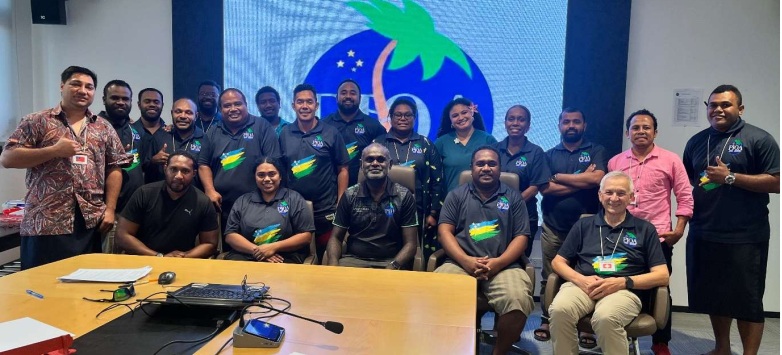
Faculty: Dr Claude Martin, Wilson Li, and Vivek Trikha from AO Alliance; Professor Nik Friederich from Switzerland; Areta Samuelu and Shaun Mauiliu from Samoa; Thomas Kiel from Papua New Guinea; and Stephen Kodovaru, James Tewa’ani, and Clay Siosi from Solomon Islands.Trainees: Michael Leota and Ariel Loane from Samoa; Tomasi Tokalauvere, Mohammed Iqbal, and Jesse Vosawale from Fiji; Vanua Ilo from Vanuatu; Agnes Auto, Daniel Makiawa, Steven Kutukana, Willie Abuito, and Oralae Pitakia from Solomon Islands; Dickson Wak and Jacque Pahun from Papua New Guinea; Julio Martins and Jacinto Vaz from Timor-Leste; and Taukoriri Tibiriano from Kiribati.
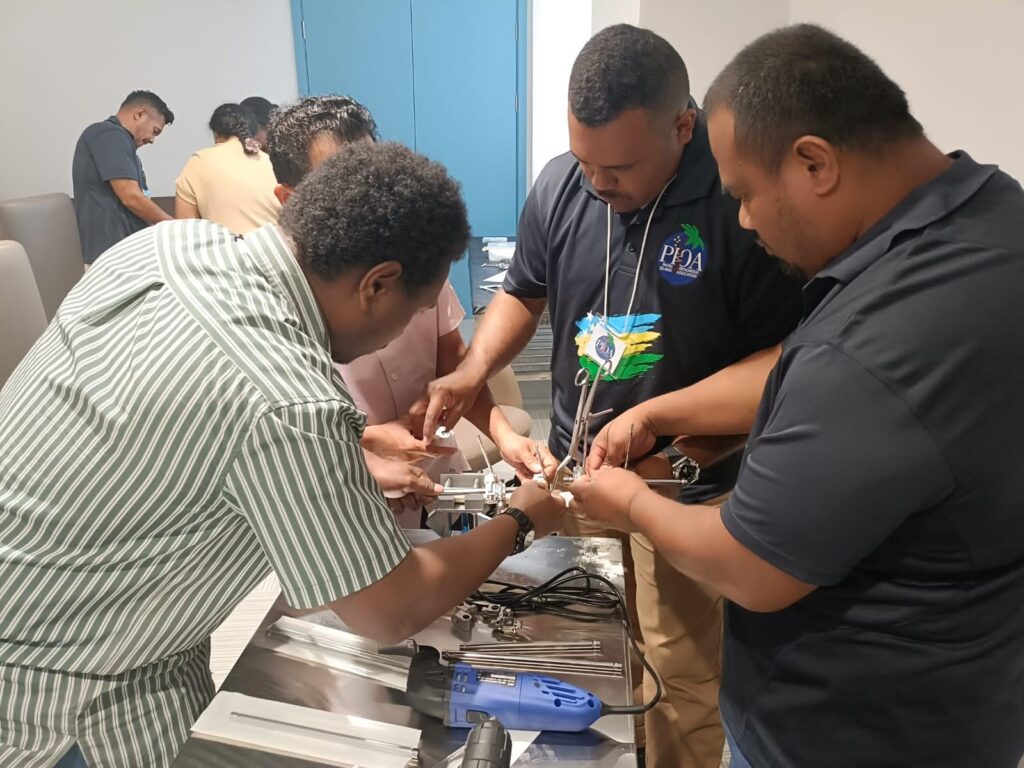
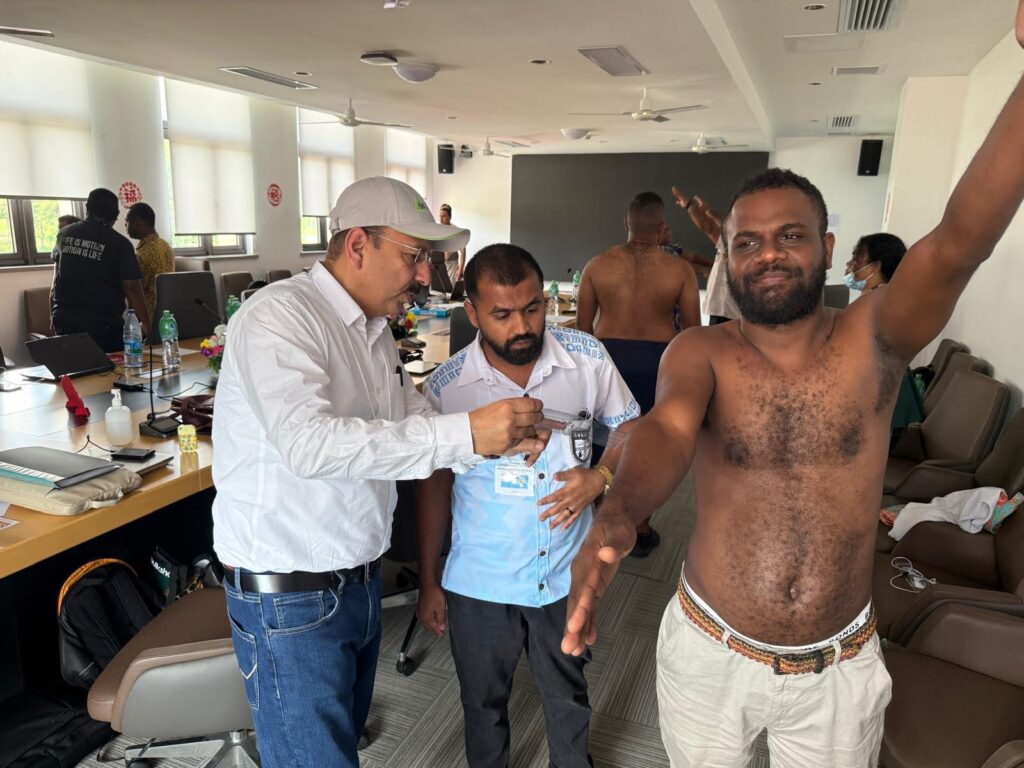
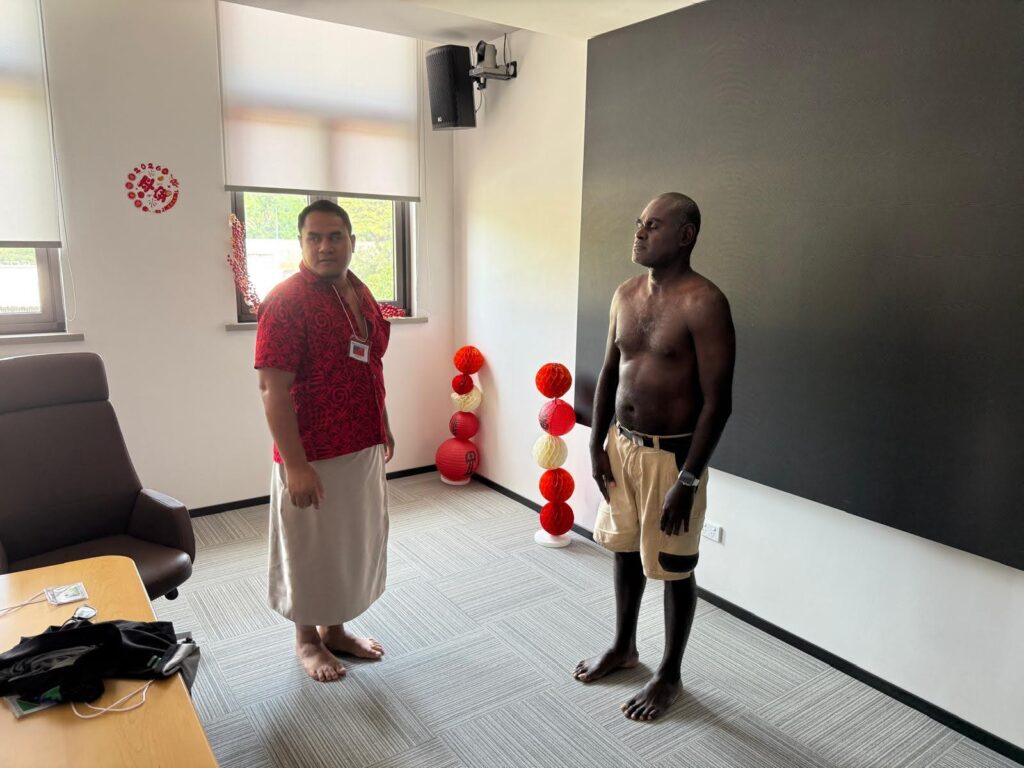
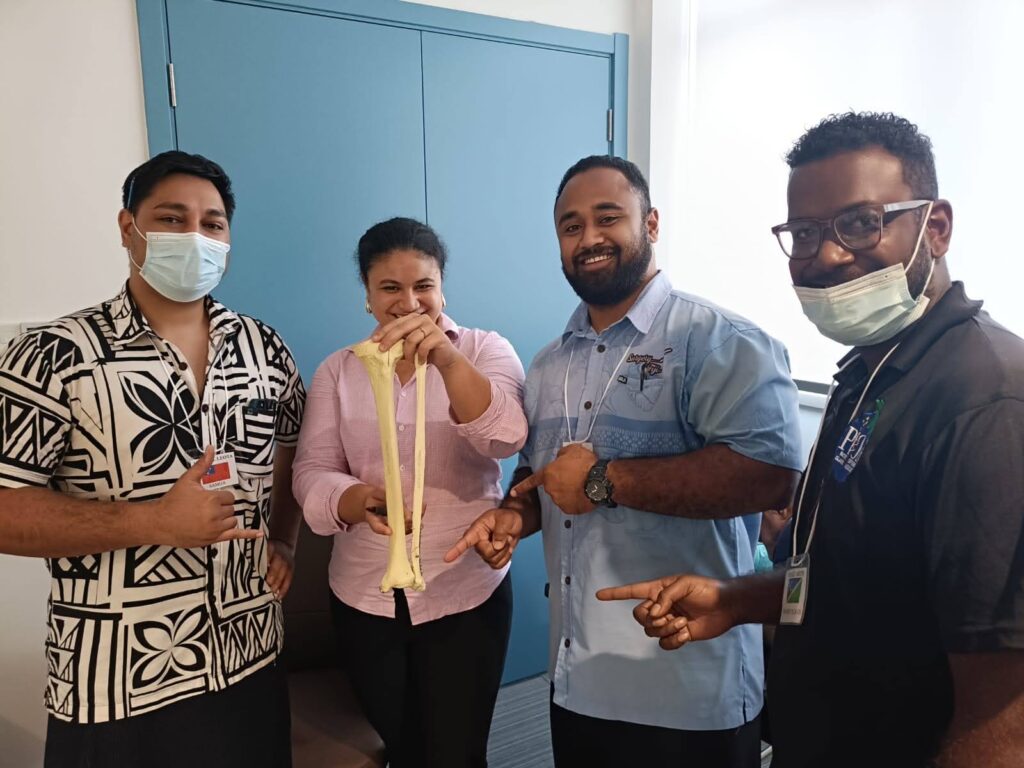
The Introductory Module covered orthopaedic history-taking, examination of all musculoskeletal regions, and relevant special tests. The Trauma Module introduced injury patterns and fractures through a holistic approach to management, including Emergency Management of Severe Trauma (EMST) and operative care. Bone healing, principles of fracture fixation, and operative approaches were addressed in detail. Morning handovers, ward rounds and lectures were complemented by afternoon practical sessions involving physical examination and sawbone exercises. For the first time, trainees were also allocated topics to present, an initiative that was well received by both trainees and faculty.
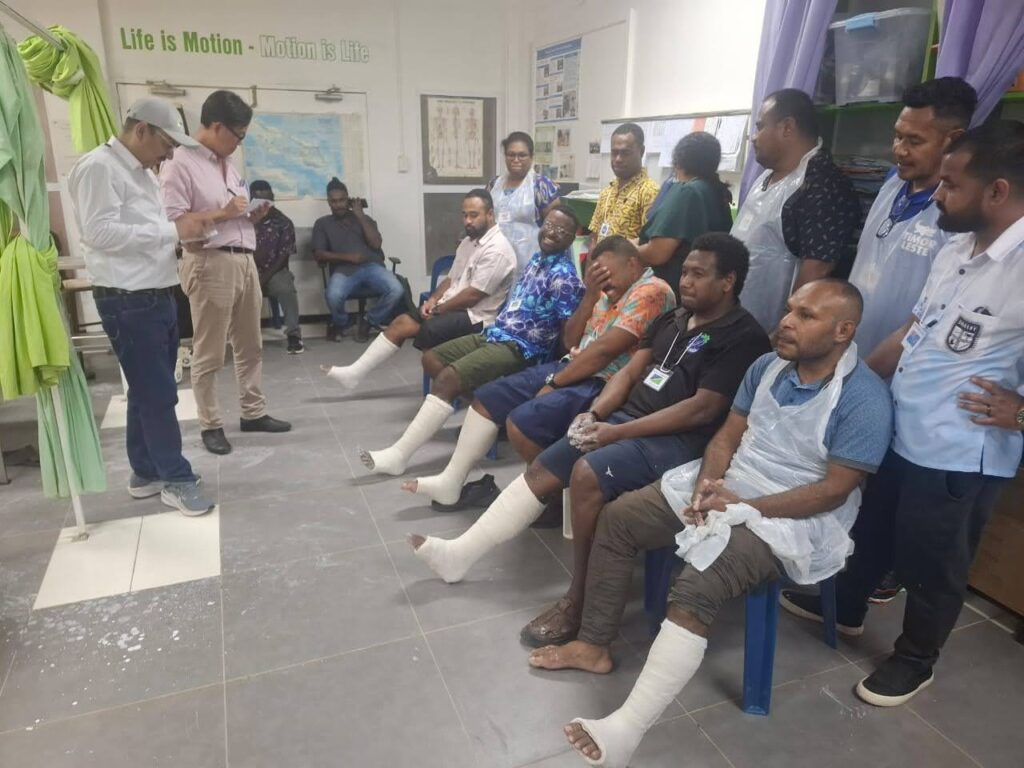
AO Alliance, under the leadership of Dr Claude Martin, delivered a Faculty Education Training (FET) workshop. The programme began with four weeks of online preparation and culminated in an intensive one-day, in-person session. The workshop strengthened essential skills for planning and delivering eƯective training.
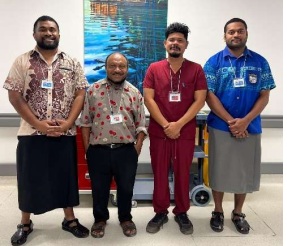
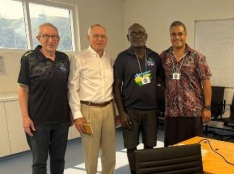
Honiara also hosted the orthopaedic exit examinations for the first time in Solomon Islands. The four candidates were Kevin Lapu from Papua New Guinea; Manoa Valeniyasana and Paul Lomavatu from Fiji; and Robert Fa’ataga from Samoa. Dr Richard Lander and Dr Andreas Loefler conducted the examinations, assisted by Dr Kodovaru and Dr Mauilu. Paul, Manoa, and Robert achieved successful outcomes. Kevin is encouraged to consider another attempt next year.
We sincerely thank the local orthopaedic team, led by Head of Department Dr Patrick Housia, for their warm welcome and support throughout the programme. Their assistance enabled faculty and trainees to participate in morning handovers and access patients in the wards and clinics.We thank the Solomon Islands Ministry of Health and medical services support through the Permanent Secretary Dr Gregory Jilini and the National Referral Hospital management for approving and hosting the modules. We also acknowledge the transport team and kitchen staƯ for providing timely transport and meals for trainees and faculty throughout the two weeks, as well as the Chinese Medical Center and the Radiology Department for making their facilities available for the programme.We thank the National University of Samoa for its overall support and guidance in the delivery of the curriculum, course content, and assessments.
Finally, we gratefully acknowledge the sponsors whose support enabled the modules to be held in Honiara: AO Alliance, South Pacific Projects, the Hans Joerg Wyss Foundation, the World Health Organization (WHO), the Pacific Community (SPC), DFAT, and the World Bank.