Here is a link to a recent journal article reviewing the work of PIOA in developing an orthopaedic service in the small Pacific Island countries.
Special thanks to Philip Lee, Sacha Rovinsky and David Rovinsky for preparing this and persevering with getting it published.
Lee PM, Rovinsky S, Caldwell MJA, Nguyen AT, Snyder EM, Soares D, Mauiliu TS, Samuelu A, Ezaki S, Withy K, Kamal R, Shapiro L, Gosselin RA, Rovinsky D. Expanding Orthopaedic Care Across the Pacific: A Global Health Model Translated Into the Pacific Islands Orthopaedic Association. J Am Acad Orthop Surg Glob Res Rev. 2026 Jul 31;10(8):e26.00088. doi: 10.5435/JAAOSGlobal-D-26-00088. PMID: 42562027; PMCID: PMC13395501.
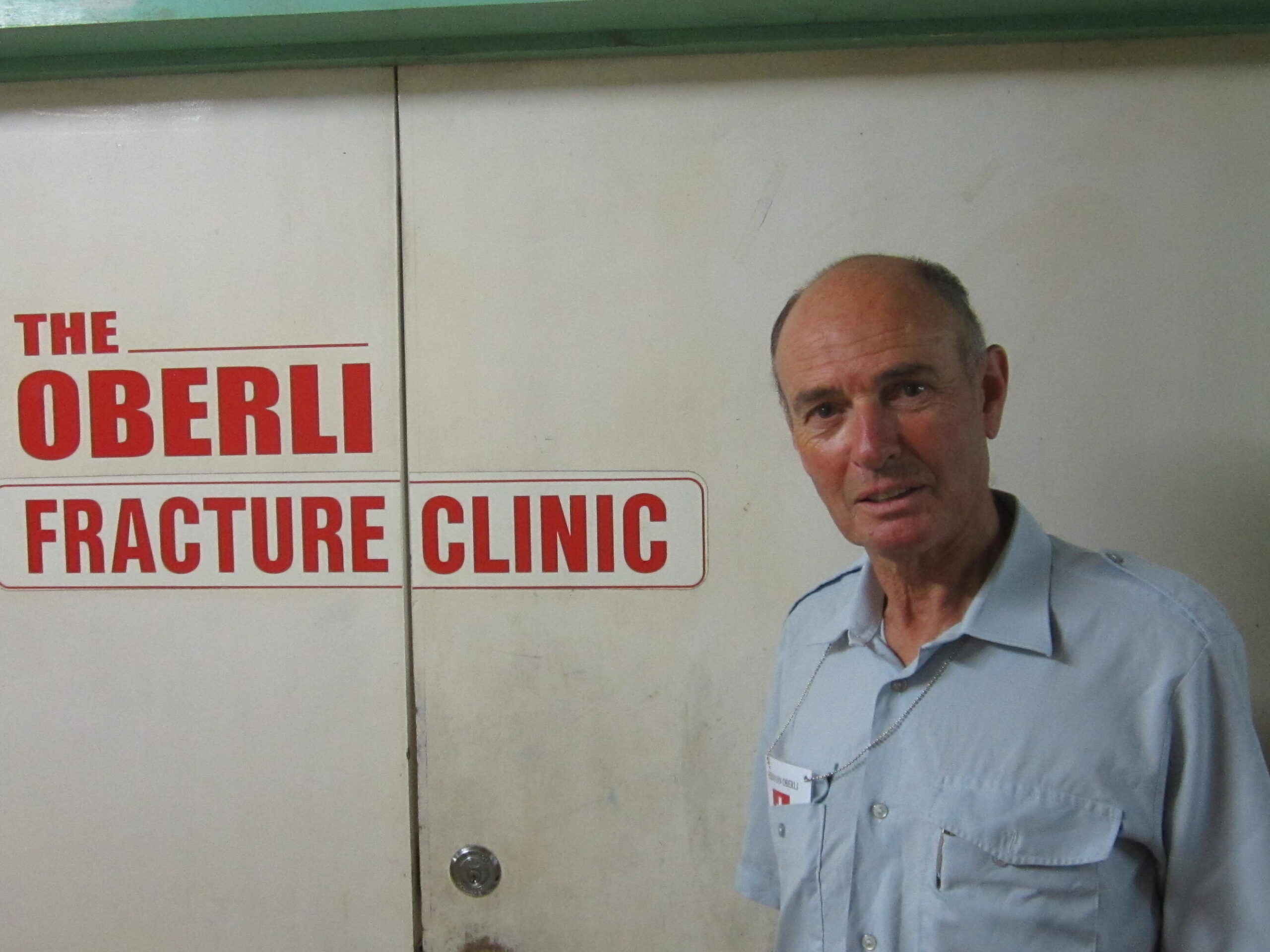
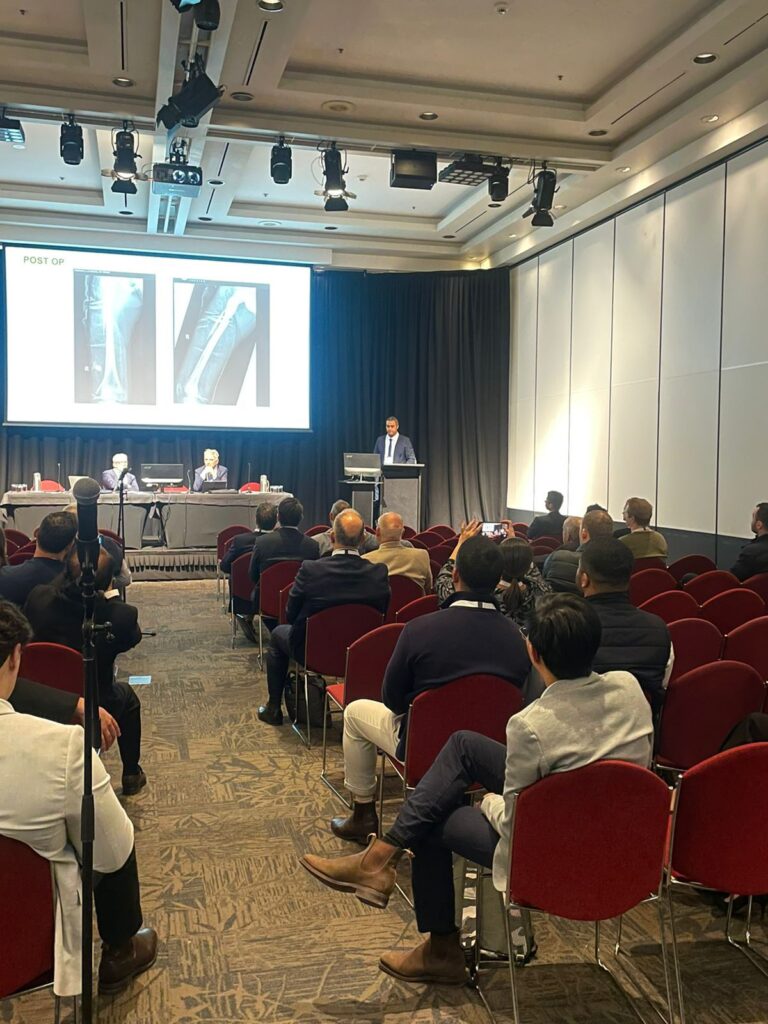
Dr Hermann Oberli, shared more than three decades of experience building sustainable trauma and orthopaedic care in the Solomon Islands and across the Pacific.
The session brought together clinicians and trainees both in person and online from Australia, New Zealand and Europe. Dr Oberli’s presentation explored the realities of delivering trauma care in low‑resource, geographically dispersed environments, highlighting both the clinical challenges and the long‑term system solutions required for sustainable change.
Dr Oberli outlined the major barriers to trauma care in the Solomon Islands, including delayed patient presentation due to transport limitations, workforce shortages, limited infrastructure, infection risk in open fractures, and scarce diagnostic and surgical resources. Through powerful clinical case examples, he demonstrated how simple, context‑appropriate solutions—rather than high‑cost technology—can significantly improve patient outcomes.
A central theme of the presentation was sustainability. Dr Oberli emphasised that long‑term progress depends on three core pillars:
Infrastructure and appropriate equipment,
Local training and education, and
Data and digital systems to support continuous improvement.
He described the development of locally led orthopaedic training in the Solomon Islands, the establishment of the Pacific Islands Orthopaedic Association (PIOA), and the importance of visiting specialists acting as teachers and mentors rather than primary operators. Many Solomon Islands clinicians trained through these programmes are now consultants and educators, ensuring ongoing local capacity.
The presentation also addressed the role of telemedicine, innovation in low‑cost surgical techniques, and the challenges of data collection and follow‑up in remote settings. Dr Oberli spoke candidly about setbacks and failed projects, reinforcing the importance of adapting to local realities and maintaining long‑term partnerships.
This event offered a rare and compelling insight into global surgery, humanitarian medicine, and the leadership required to create lasting impact in resource‑limited environments.
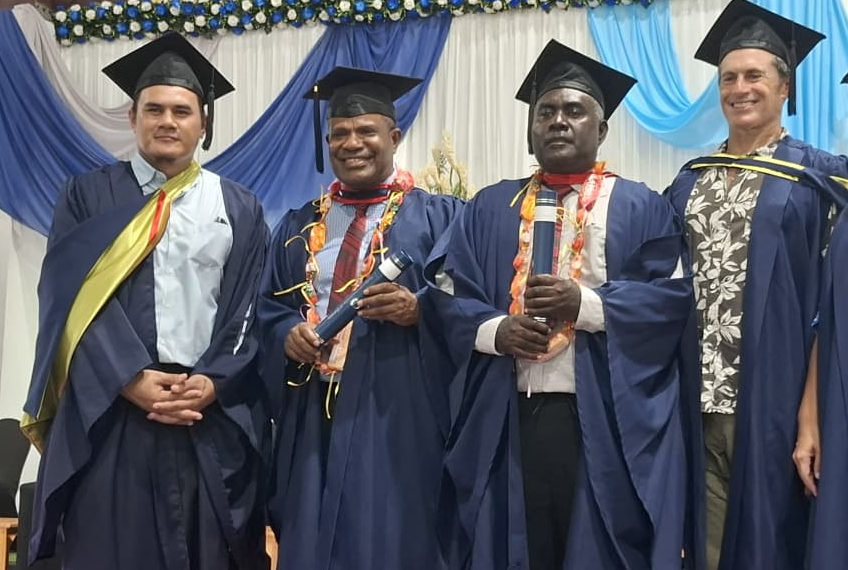
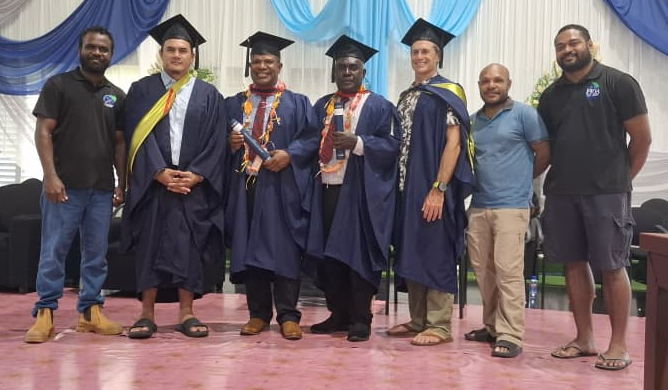
Three PIOA graduates received their Master of Surgery (Orthopaedics) from the National University of Samoa in Apia on 1 April 2026. Dr Haynes Rasin, Dr Raymond Saulep attended the ceremony in person. Dr Thomas Kiele was uanable to attend but his degree was entrusted to Dr Saulep to hand over.
From L to R : Areta Samuelu (Director of Training PIOA),Raymond Saulep, Haynes Rasin, David Rovinsky (knee instructor from Hawaii)Richard Lander (Chief examiner), Thomas Kiele and Des Soares after exit exams held in Lautoka, Fiji in 2025Steven Kutukana, Areta Samuelu (Director of Training PIOA),Raymond Saulep, Haynes Rasin, David Rovinsky (knee instructor from Hawaii), Dickson Wak and Manoa Valeniyasana.
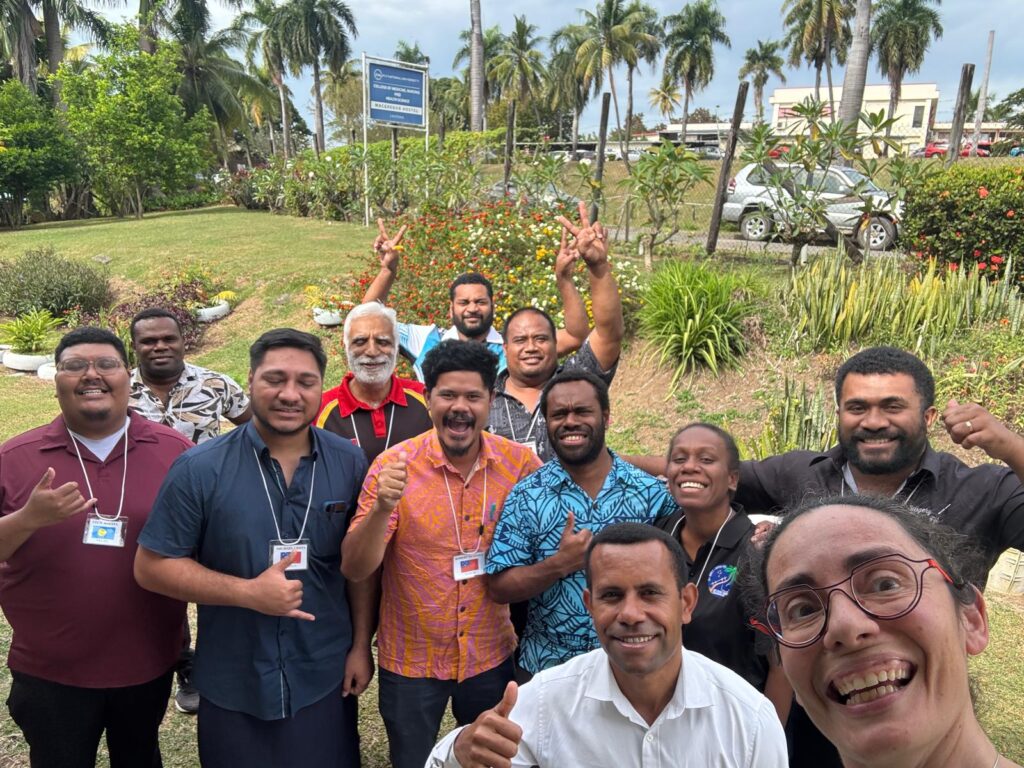
The Knee module was held from the 21st March to 2 April 2026 at the TTM Hospital in Apia, Samoa and was attended by nine (9) PIOA Trainees namely: Dickson Wak from Papua New Guinea, Steven Kutukana from Solomon Islands, Tzun Rafael from Palau, Vanua Ilo from Vanuatu, Taukoriri Tibriano from Kiribati , Manoa Valeniyasana and Paul Lomavatu from Fiji and Robert Fa’ataga and Michael Leota from Samoa.
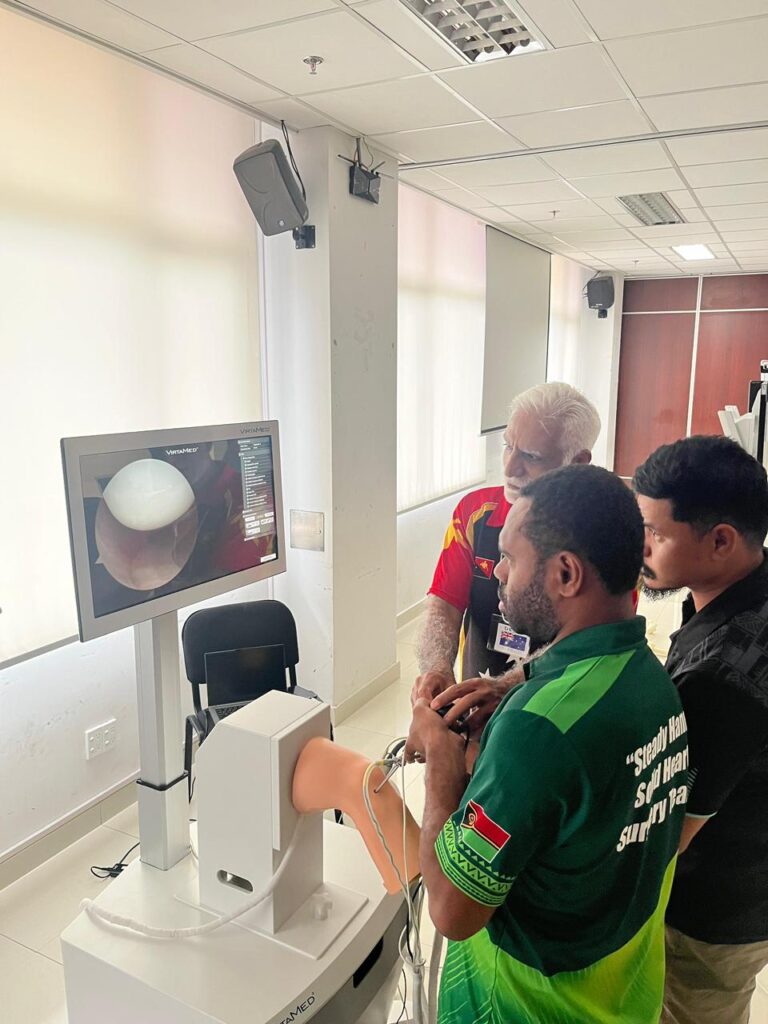
This module was successfully facilitated with lectures, saw bone practicals and arthroscopy practical on Virtamed knee arthroscopy simulator by Dr. David Rovinsky from Hawaii, Dr Kaushik Hazratwala from Australia, Dr Desmond Soares from Australia and Dr Shaun Mauiliu and Areta Samuelu from Samoa.
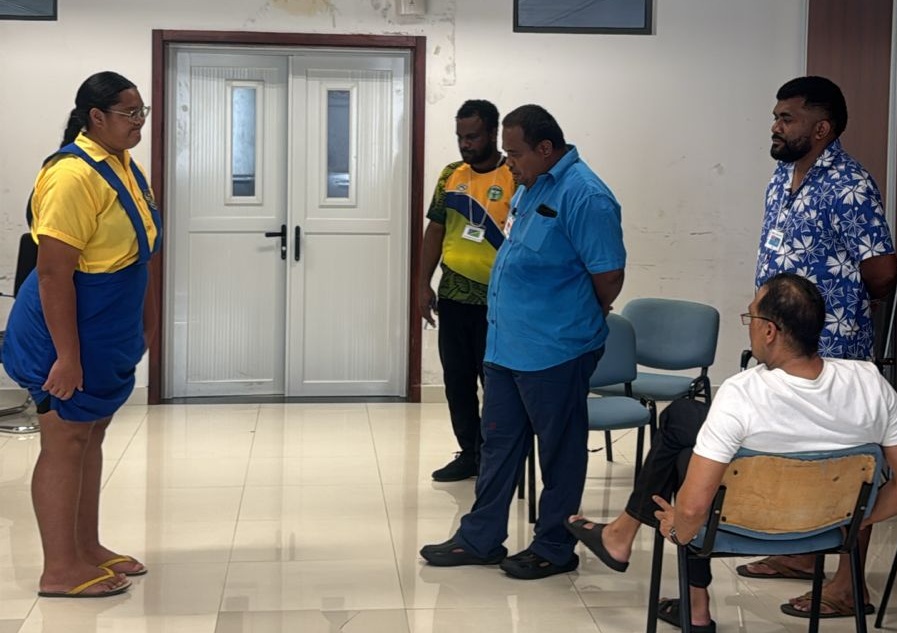
Each morning would start off at 8:00 am with a ward round with a Trainee leading the case presentation. The Trainees present the relevant history and clinical examination findings as elicited with further discussions on the current investigations and management being done. Trainees are then asked to demonstrate how they would do clinical examinations to elicit certain signs and on the rationale for the patient management and treatment being done. Suggestions for further investigations and treatment improvement are then being put forward to the Trainees and the local team. This exercise is very helpful for Trainees in developing their clinical skills and to try and elucidate clinical reasoning which would be helpful in decision making.
Taukoriri Tibriano, Steven Kutukana and Paul Lomavatu practicing examination under the watchful eye of Kosh Hazratwala
At the Knee Module lectures Trainees were taught a systematic approach to history taking, clinical examination and investigation with a focus on common Knee orthopedic and trauma conditions. Most of the topics are also covered in the weekly zoom sessions prior to the modules, hence emphasis are put on the common and core pathologies.
Des Soares instructing Vanua Ilo and Robert Fa’ataga in the knee arthroscopy simulator
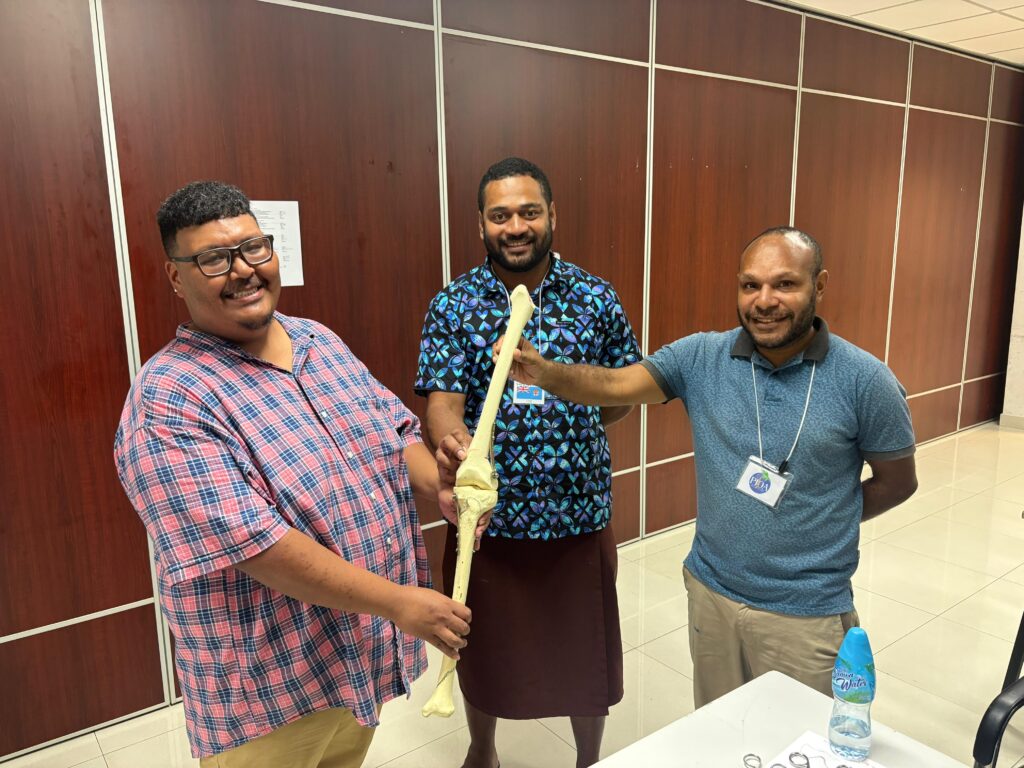
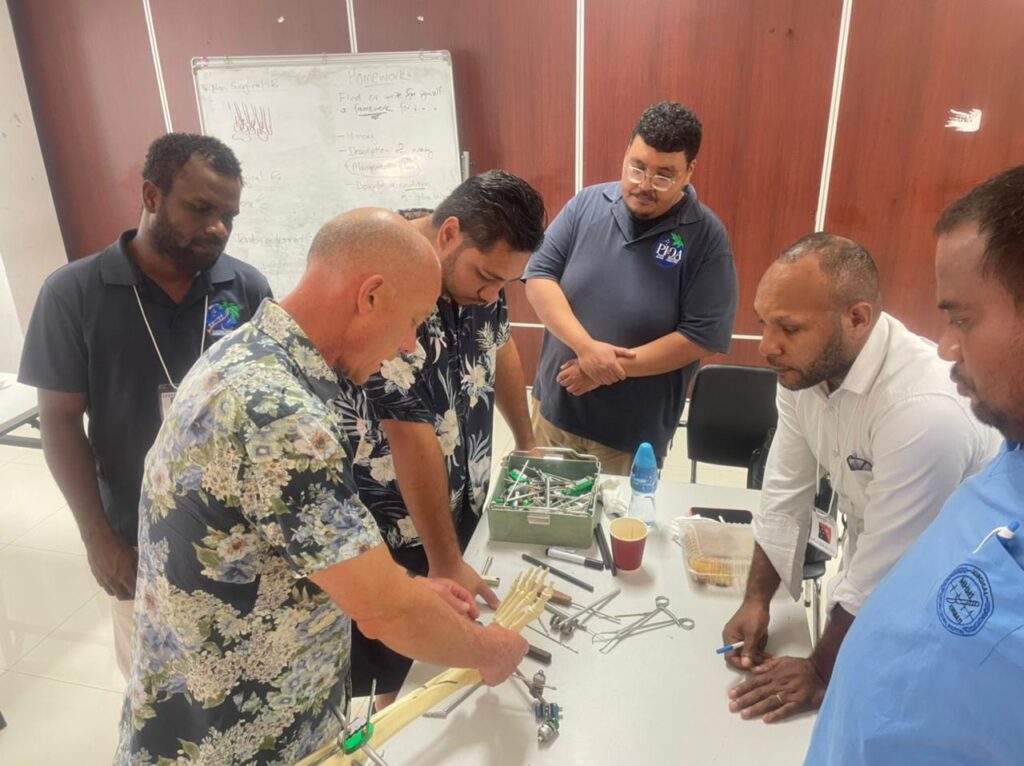
Practical sessions were done in the afternoons with Trainees in 3 rotations practicing clinical examinations with live patients with clinical signs, sawbones exercises which covered the common Knee Orthopaedic and trauma case management and an arthroscopy rotation using the Virtamed simulator. The sawbones rotations included: common fractures like patella fracture fixation with tension band wiring, tibial plateau fracture stabilization with spanning external fixation and definitive treatments, ACL and MCL, and LCL graft positioning using rope and screws and high tibial osteotomy, distal femur osteotomy. The arthroscopy station provided guided instruction in triangulation, diagnostic arthroscopy and then simulated arthroscopic knee conditions. The simulator provides a realistic opportunity to develop skills in arthroscopic techniques and triangulation before commencing clinical arthroscopy.
Tzun Rafael, Manoa Valeniyasana and Dickson Wak with the HTO and DFO models
The module was then concluded with a Knee Anatomy, Biomechanics and clinical scenario Quiz and practice Computer viva – 5 cases after which feedback was given to each Trainee.
During the module Dr. Kaushik Hazratwala was able to demonstrate for Dr Samuelu the technique for 1 patient with patella instability and 3 patients needing ACL reconstruction. This will assist the surgeons in Samoa to continue developing the skills to continue providing this this procedure in future.
Front: L to R: Dr Dickson Wak, Dr Hamish Leslie, Dr. Danielle Wadley, Dr Areta Samuelu , Dr Miles Callahan, Dr Steven Kutukana Rear L to R :, Taukoriri Tibriano, Robert Fa’ataga, Vanua Ilo, Manoa Valeniyasana, Tzun Rafael , Michael Leota and Paul Lomavatu .
The Foot and Ankle module was held from the 16th to 20th March 2026 at the TTM Hospital in Apia, Samoa and was attended by nine (9) PIOA Trainees namely: Dickson Wak from Papua New Guinea, Steven Kutukana from Solomon Islands, Tzun Rafael from Palau, Vanua Ilo from Vanuatu, Taukoriri Tibriano from Kiribati , Manoa Valeniyasana and Paul Lomavatu from Fiji and Robert Fa’ataga and Michael Leota from Samoa
This module was successfully facilitated with lectures and saw bone practicals by: Dr Hamish Leslie from New Zealand, Dr Miles Callahan and Dr. Danielle Wadley from Australia and Dr Areta Samuelu and Dr Shaun Mauiliu from Samoa.
Each morning would start off at 8:00 am with a ward round with a Trainee leading the case presentation. The Trainees present the relevant history and clinical examination findings as elicited with further discussions on the current investigations and management being done. Trainees are then asked to demonstrate how they would do clinical examinations to elicit certain signs and on the rationale for the patient management / treatment being done. Suggestions for further investigations and treatment improvement are then being put forward to the Trainees and the local team. This exercise is very helpful for Trainees in developing their clinical skills and to try and elucidate clinical reasoning which would be helpful in decision making.
Lectures at the Foot and Ankle Module were focused on systematic approach to history taking, clinical examination, investigation and management on common Foot and ankle orthopedic and trauma conditions. Some topics were covered in the weekly zoom sessions prior to the modules, however common important pathologies were revisited and emphasis reiterated.
Practical sessions were mostly done in the afternoons with Trainees in pairs which covering the common Foot and Ankle Orthopaedic and trauma case management including: ankle spanning external fixator application for distal tibia fracture, ankle fracture plate/screw fixation, ankle fracture Plaster of Paris application and tibial plafond plate/ screws fixation.
The module was then concluded with a Foot and Ankle Quiz after which feedback was given to each Trainee.
During the module Dr. Hamish Leslie was able to assist Dr Samuelu to perform complex surgery on two patients with residual club foot deformity. This will assist the surgeons in Samoa to continue providing this procedure in future.
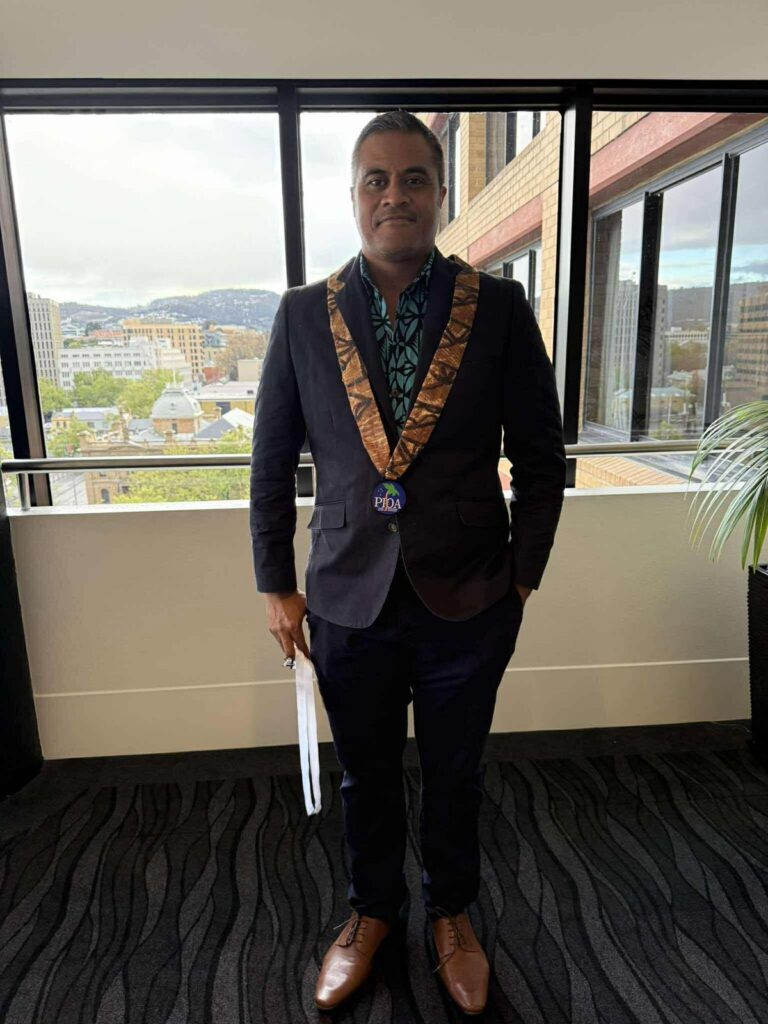
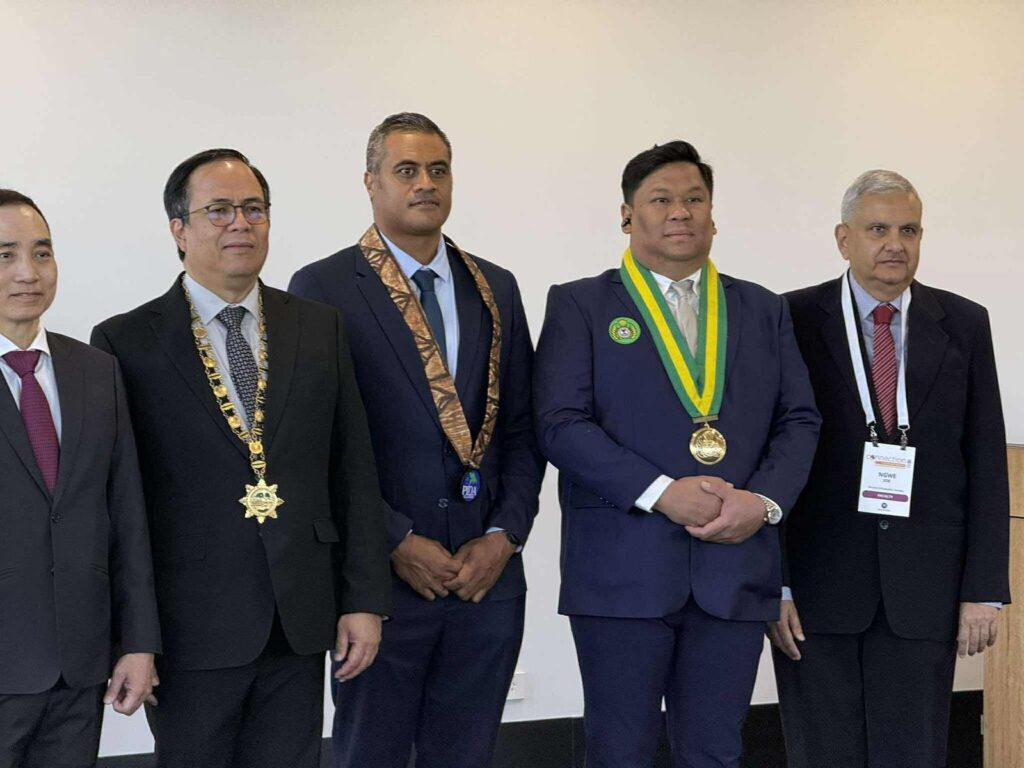
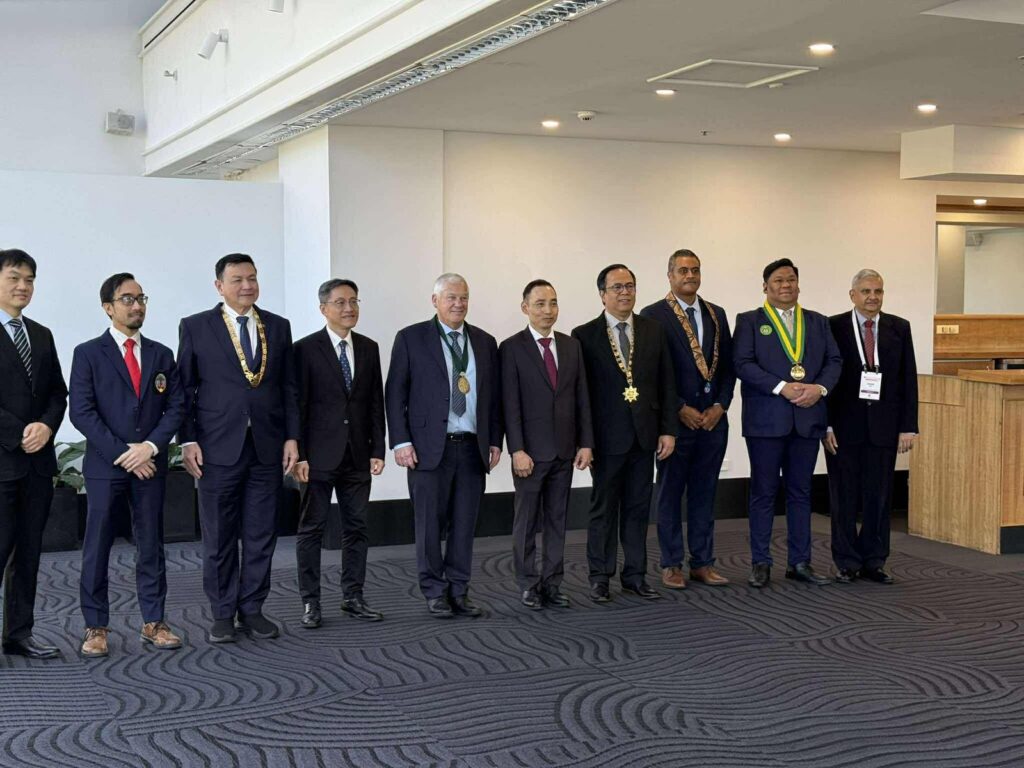
Dr Shaun Mauiliu, President of PIOA at the AOA ASM 2025 in Hobart, Tasmania. Shaun is wearing the newly made PIOA Presidential medal.
This is the first hyear where the President of PIOA has been invited as an official guest of the AOA President. We look forward to many more years of building strong relationships between PIOA and the AOA family.
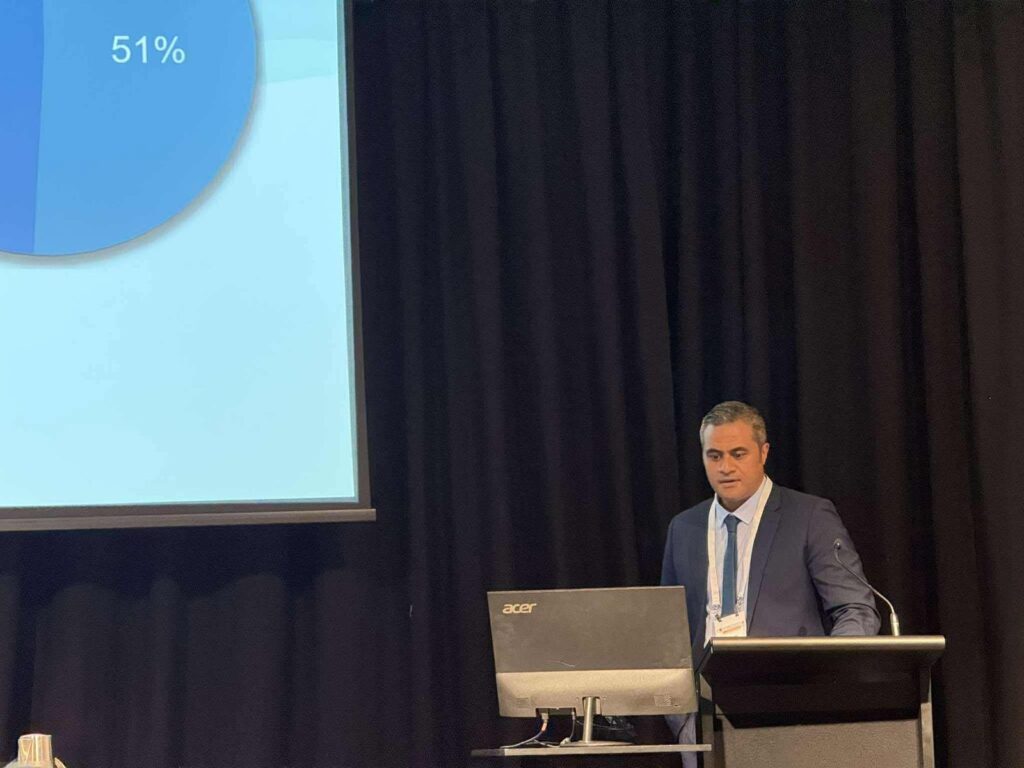
Shaun presenting on TENS nails in adolescent fractures
Dr. Andreas Loefler from Sydney, Dr David Bartle and Dr Richard Lander from New Zealand were independent external examiners. Dr Henao Asa from PNG and Dr Nik Freiderich from Switzerland were independent observers of the exam process.
Exam candidates Ray Saulep (Kundiawa), Haynes Rasin (Buka in Bougainville), Thomas Kiele (Port Moresby) , Kevin Lapu (Nonga) and Viola Kokiva (Port Moresby) all from PNG
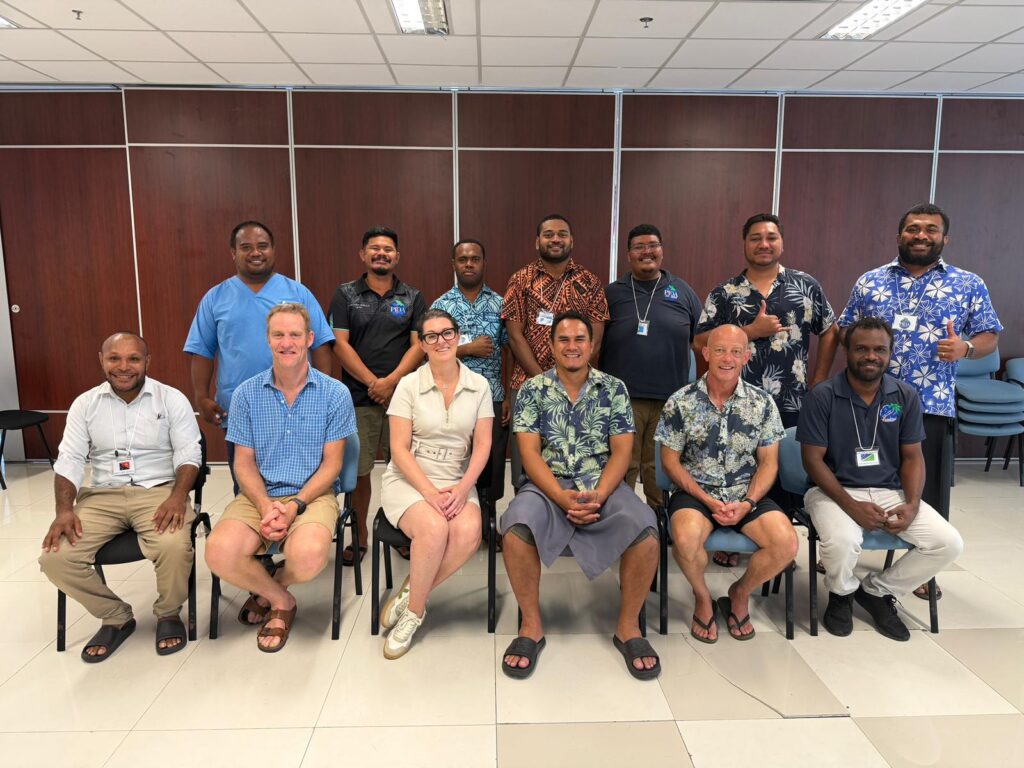
Three of the five candidates were successful in the final exit exam. Our congratulations to Dr. Raymond Saulep from Kundiawa, Dr Thomas Kiele from Port Moresby and Dr Haynes Rasin from Buka in Bougainville, all from PNG as they begin their career as orthopaedic surgeons.
New graduate Dr Haynes Rasin from Buka in Bougainville, PNG with Richard Lander, Chief examiner and Des Soares, PIOA Secretary and founder New graduate Dr Thomas Kiele,from Port Moresby in PNG.New graduate Dr Raymond Saulep from Kundiawa in PNG Highlands
The Tumour lectures were taught by Dr Claudia di Bella from Melbourne, assisted by Dr Des Soares from Brisbane, Australia. In this module, the students were taught a systematic approach to diagnosis and management of orthopaedic oncology. This included clinical history taking and a thorough clinical examination with emphasis on a systematic approach to the management of benign and malignant bone and soft tissue tumours. In addition, there were focussed lectures and practicals on the principles of biopsy, managing pathological fracture and post tumour reconstruction.
Overall, the 20-day module was intense, and it was obvious the students were stimulated to learn. The students are now already reading ahead to prepare for the next module on the Knee and Foot and ankle to be held in Apia, Samoa commencing on 16 March 2026.